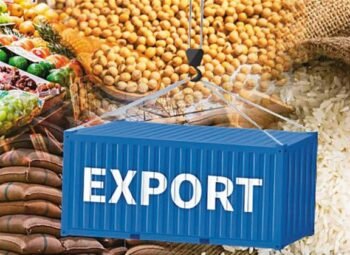









India is one of the world’s largest agricultural producers and exporters, supplying high-quality food products to more than 200 countries. Favorable climatic conditions, fertile soil, advanced farming practices, and a vast agricultural workforce enable India to produce a diverse range of crops throughout the year. As global demand for safe, nutritious, and sustainably produced food continues to grow, Indian agricultural exports are creating exciting opportunities for businesses of all sizes.
Agricultural exports not only strengthen India’s economy but also generate employment, encourage rural development, and help Indian farmers reach international markets. With increasing demand from countries across Asia, Europe, the Middle East, Africa, and North America, 2026 presents an excellent opportunity for exporters looking to build a successful international business.
Why India is a Leading Agricultural Exporter
India enjoys several advantages in the global agricultural market:
- Large and diverse agricultural production
- Favorable climate for year-round cultivation
- Competitive production costs
- Government support for agricultural exports
- Strong logistics and port infrastructure
- Availability of certified organic farming
- Global reputation for quality spices, rice, tea, and fresh produce
These strengths make India one of the preferred sourcing destinations for international buyers.
1. Rice
Rice remains India’s largest agricultural export. India is internationally recognized for premium Basmati and high-quality Non-Basmati rice. Indian rice is exported to countries throughout the Middle East, Africa, Europe, and Southeast Asia.
Popular Varieties
- Basmati Rice
- Sella Rice
- Non-Basmati Rice
- Parboiled Rice
- White Rice
- Brown Rice
Major Importing Countries
- Saudi Arabia
- United Arab Emirates
- Iran
- Iraq
- Nepal
- Bangladesh
- United States
- United Kingdom
2. Indian Spices
India is known as the “Land of Spices.” Indian spices are valued worldwide for their rich aroma, purity, flavor, and medicinal properties. They are widely used in food processing, restaurants, pharmaceuticals, cosmetics, and wellness products.
High-Demand Spices
- Turmeric
- Black Pepper
- Cardamom
- Cumin
- Coriander
- Red Chilli
- Ginger
- Fenugreek
- Fennel
- Mustard Seeds
Major Markets
- USA
- Germany
- UAE
- UK
- Malaysia
- Singapore
- Australia
3. Fresh Fruits
The growing preference for healthy eating has increased international demand for Indian fruits. India exports premium-quality fresh fruits throughout the year.
Popular Export Fruits
- Mango
- Banana
- Pomegranate
- Grapes
- Guava
- Papaya
- Watermelon
- Citrus Fruits
Export Destinations
- UAE
- Qatar
- Oman
- Saudi Arabia
- Netherlands
- United Kingdom
- Canada
4. Fresh Vegetables
Indian vegetables are exported daily to numerous countries because of their freshness, affordability, and wide variety.
Major Export Vegetables
- Onion
- Potato
- Tomato
- Okra
- Green Chilli
- Drumstick
- Brinjal
- Cabbage
- Cauliflower
5. Tea
Indian tea enjoys worldwide recognition for its distinctive taste and premium quality.
Popular Tea Varieties
- Assam Tea
- Darjeeling Tea
- Nilgiri Tea
- Green Tea
- Organic Tea
Major buyers include Russia, Iran, UAE, Germany, the United Kingdom, and the United States.
6. Coffee
Indian coffee has established a strong reputation in international markets due to its smooth flavor and high quality.
Types of Coffee
- Arabica Coffee
- Robusta Coffee
- Roasted Coffee
- Green Coffee Beans
- Instant Coffee
7. Pulses
Protein-rich Indian pulses continue to witness strong demand worldwide.
Popular exports include:
- Chickpeas
- Lentils
- Green Gram
- Black Gram
- Pigeon Peas
8. Oilseeds
Oilseed exports continue to expand as edible oil demand grows globally.
Major products include:
- Sesame Seeds
- Groundnut
- Mustard Seeds
- Castor Seeds
- Soybean
9. Organic Agricultural Products
The global organic food market is expanding rapidly. India exports certified organic food products that meet international quality standards.
Popular organic exports include:
- Organic Rice
- Organic Spices
- Organic Tea
- Organic Coffee
- Organic Honey
- Organic Millets
- Organic Fruits
10. Sugar and Jaggery
Indian sugar and jaggery are widely exported due to their competitive pricing and consistent quality.
Key Benefits of Exporting Agricultural Products
- High international demand
- Competitive pricing
- Large product variety
- Government export incentives
- Expanding global markets
- Long-term business opportunities
- Strong foreign exchange earnings
Tips for Successful Agricultural Export
- Source products from reliable farmers and suppliers.
- Maintain consistent product quality.
- Use export-grade packaging.
- Obtain required quality certifications.
- Understand destination-country import regulations.
- Build long-term relationships with international buyers.
- Participate in international trade fairs.
- Promote products through B2B marketplaces and digital marketing.
Future of Agricultural Exports from India
Growing populations, increasing health awareness, and rising demand for natural and organic food are expected to drive agricultural exports in the coming years. Products such as rice, spices, tea, coffee, fruits, vegetables, pulses, and organic foods are likely to remain among India’s strongest export categories. Exporters who focus on quality, sustainability, timely delivery, and compliance with international standards will be well positioned to succeed in global markets.
Conclusion
India’s agricultural sector offers outstanding opportunities for exporters in 2026. With a diverse product portfolio, established international demand, and strong government support, Indian agricultural products continue to gain recognition worldwide. Whether you are an experienced exporter or planning to start your export journey, focusing on high-demand agricultural products can help you build a profitable and sustainable business. By delivering premium quality, maintaining international standards, and developing trusted relationships with overseas buyers, Indian exporters can continue to strengthen their presence in the global agricultural marketplace.